
Septic Pumping Services in Elbert County, GA
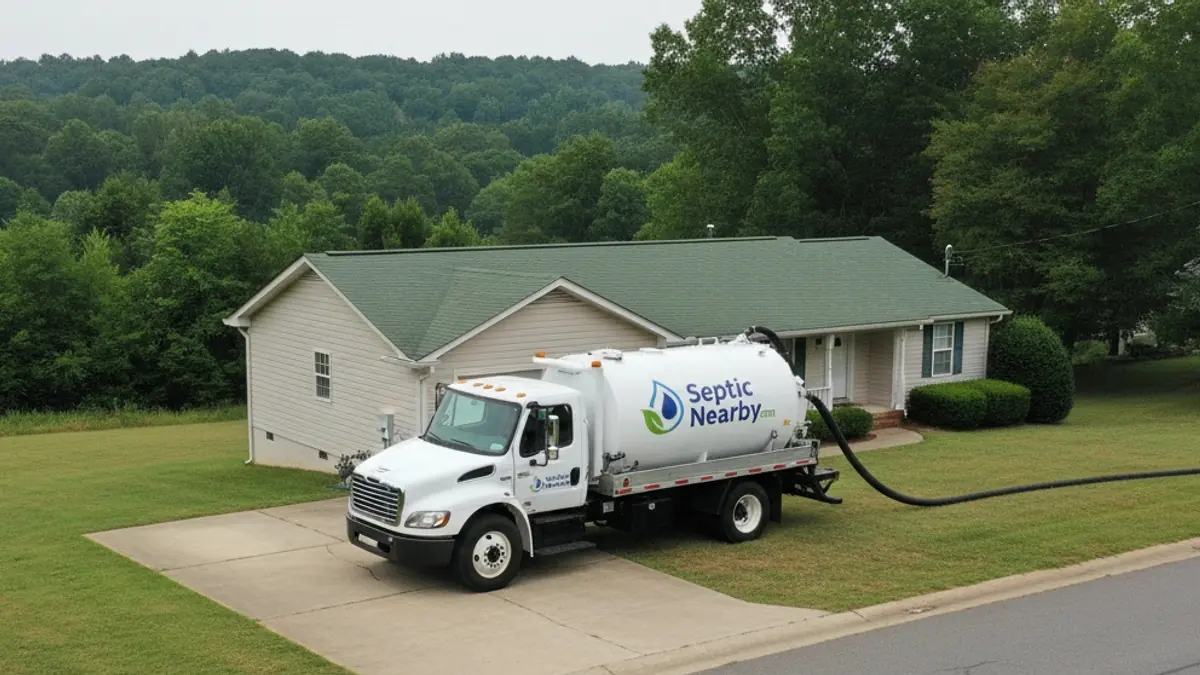 Photo Illustrative
Operators available 7 AM - 9 PM
Licensed & Insured • No Obligation • Emergency Service Available
Online request
Tell us what is going on in Elbert County
Prefer not to call? Send the details and we will review the request before looking for available septic providers near your ZIP code.
Looking for septic tank size records in Elbert County?
The Elbert County Environmental Health office may have septic permit, inspection, repair, or as-built records. Current county phone: (706) 283-3775.
Find septic records in Elbert CountyCities We Serve in Elbert County
Local Septic System Factors in Elbert County
Living with Septic in Elbert County: A Grounded Guide
In Elbert County, from the rolling hills around Bowman to the quiet tracts near Dewy Rose, a septic system isn't just a utility—it's an integral part of the property. Understanding how these systems interact with our unique Georgia Piedmont soil is the key to their longevity. This isn't flat, sandy coastal land; this is a region defined by its topography and its distinctive, iron-rich earth.
The dominant soils here are a mix of Cecil, Madison, and Appling series—names that might not mean much until you stick a shovel in the ground. What you'll find is a top layer of sandy loam or loam giving way to a dense, reddish clay loam or clay subsoil. This subsoil structure is what defines septic system design and function in Elbert. That dense clay, while excellent for holding ponds, creates a relatively slow path for water. It acts as an almost impermeable layer if not managed correctly, which is why a proper 'perk test' (percolation test) is so critical before any installation. This test, overseen by the Elbert Board of Health, measures how quickly water is absorbed into the soil, directly influencing the size and design of your drain field.
The local hydrology, driven by our humid subtropical climate, means we see heavy rainfall, especially in the spring and during summer thunderstorms. This can lead to periods of saturated soil, where the ground simply can't accept any more water. For a septic drain field, this is a high-stress event. A well-designed system on a properly graded site will shed surface water away from the field, but an older system or one on a compromised lot can struggle, leading to slow drains or surface pooling. The goal is always to keep rainwater out and let treated effluent percolate down and away.
For homeowners in more developed areas around Elberton, lot size can be a constraint, demanding more efficient, and sometimes more complex, system designs. Out in the more rural parts of the county, larger acreages offer more flexibility for conventional systems and replacement areas. But regardless of location, the principles are the same. The work done by installers, whether it's a major replacement by a team like Bowen & Sons Septic Tank Services or a new build install, is fundamentally about managing the relationship between your home's wastewater and the ground beneath it. It's a quiet, constant process that, when set up correctly, works seamlessly with the Elbert landscape.
Homeowner guides
Helpful septic guides
Planning service? Buying a Georgia home with septic? Start with this inspection checklist, Check signs your septic tank may be full, what to do if septic backs up, how heavy rain affects septic systems, compare Georgia septic pumping cost factors, review septic tank pumping schedules, or run the full septic maintenance checklist.
Frequently Asked Questions in Elbert County
What are the key septic regulations in Elbert County?
The Elbert Board of Health's Environmental Health division oversees all septic regulations. A permit is mandatory for new installations and major repairs like replacing a tank or drain field. Routine maintenance, such as pumping your tank, does not require a permit.
What's the average cost to pump a septic tank across Elbert County?
Costs typically range from $325 to $600. The price varies based on your tank's size, your distance from the service provider's base in a town like Elberton, and site accessibility. A home with a long, unpaved driveway in a rural area may cost more than an easily accessible one in town. If the tank lids need to be located and dug up, that can also add to the cost.
How often should septic systems be pumped in this county?
The standard recommendation is every 3 to 5 years. However, local factors matter. A large family on a smaller system with heavy clay soil should lean towards every 3 years. A retired couple on a properly sized system in sandier loam might comfortably go 5 years. Household habits, water usage, and whether you use a garbage disposal all play a significant role.
How does weather affect septic service scheduling in Elbert?
Our humid, rainy seasons, especially in the spring and late summer, can saturate the ground. This makes it difficult for heavy pumper trucks to access tanks without damaging your yard. It's best to schedule routine pumping during drier periods, like autumn, if possible. Emergency services are available year-round, but non-urgent work is best planned for better weather.