
Septic Pumping Services in Greene County, GA
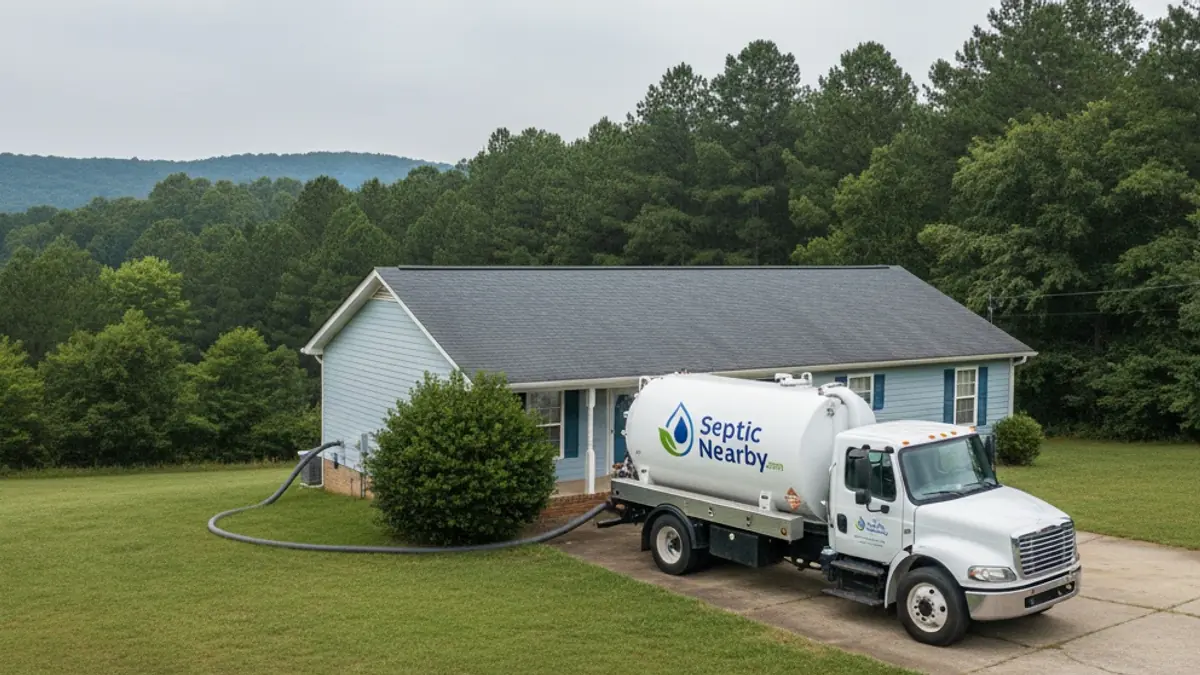 Photo Illustrative
Operators available 7 AM - 9 PM
Licensed & Insured • No Obligation • Emergency Service Available
Online request
Tell us what is going on in Greene County
Prefer not to call? Send the details and we will review the request before looking for available septic providers near your ZIP code.
Looking for septic tank size records in Greene County?
The Greene County Environmental Health office may have septic permit, inspection, repair, or as-built records. Current county phone: (706) 453-0965.
Find septic records in Greene CountyCities We Serve in Greene County
Local Septic System Factors in Greene County
A Homeowner's Guide to Septic System Health in Greene County
In Greene County, from the shores of Lake Oconee to the rural landscapes surrounding Siloam and Union Point, the performance of our onsite wastewater treatment systems is a direct reflection of our commitment to public health and environmental stewardship. A failing septic system isn't just a household inconvenience; it's a potential contamination source for our groundwater, streams, and ultimately, the Oconee River watershed. Understanding the technical parameters of your system's effluent is the first step toward responsible ownership.
Key Testing Parameters for Effluent Quality
The primary function of a septic system is to treat household wastewater before releasing it into the soil. The treatment efficiency is measured by analyzing the effluent leaving the tank and entering the drainfield. Key indicators include Fecal Coliform bacteria counts, which signal the presence of pathogens harmful to human health. Elevated coliform levels in nearby wells or surface water are a critical public health red flag. Another crucial metric is the level of nitrates. While a natural byproduct of waste decomposition, excessive nitrates can contaminate drinking water, posing a serious risk, especially to infants. We also monitor pH levels; effluent that is too acidic or alkaline can harm the beneficial bacteria essential for waste breakdown and can corrode system components.
Warning Signs of System Stress and Failure
A system under stress rarely fails overnight. The signs are often subtle at first. Slow drains or gurgling sounds in your plumbing are early indicators that the system's hydraulic capacity is strained. Outside, you might notice unusually green or lush grass over the drainfield, which can indicate that nutrient-rich, undertreated effluent is surfacing. Persistent soggy spots or standing water, especially during dry periods, point to a saturated drainfield, often caused by a dense layer of organic matter called a biomat that has clogged the soil's pores. Foul odors near the tank or drainfield are an unmistakable sign that anaerobic conditions are dominating and the system is not processing waste effectively. In the dense clay loam common around White Plains, these signs can appear rapidly once soil saturation is reached.
The Environmental and Financial Impacts of Neglect
Letting a system fail has significant consequences. Environmentally, untreated effluent releases pathogens and nitrates into the soil, where they can migrate into the shallow aquifers that feed many private wells in the county. Financially, the cost of a reactive repair far exceeds proactive maintenance. Pumping a tank every 3-5 years, a service expertly handled by local companies like Bowen's Septic & Environ Services or G and H Septic Tanks, is a minor investment compared to the excavation and replacement of a failed drainfield, a project that can easily run into five figures. The heavy clay content in Greene County soils makes drainfield construction complex and expensive; preserving the one you have is the most data-driven financial decision a homeowner can make.
Establishing a Proactive Monitoring Schedule
A septic system is a living ecosystem that requires a consistent monitoring schedule. The Greene Board of Health sets the standards for installation and major repairs, but routine care is the homeowner's responsibility. The core of any schedule is regular pumping, typically every 3 to 5 years, depending on household size and water usage. An annual visual inspection is also critical. Walk your drainfield, check for the warning signs mentioned above, and keep detailed records of all maintenance. For systems with advanced components like pumps or aerators, follow the manufacturer's recommended service interval. Given our humid subtropical climate and periods of intense rainfall, ensuring your gutters and surface drainage divert water away from your system is a year-round task. A well-maintained system protects your family’s health, your property value, and the natural beauty of Greene County.
Homeowner guides
Helpful septic guides
Planning service? Buying a Georgia home with septic? Start with this inspection checklist, Check signs your septic tank may be full, what to do if septic backs up, how heavy rain affects septic systems, compare Georgia septic pumping cost factors, review septic tank pumping schedules, or run the full septic maintenance checklist — and if a quote confuses pumping versus cleaning.
Frequently Asked Questions in Greene County
Key septic regulations in Greene County?
The Greene County Board of Health, under the Georgia Department of Public Health, oversees all septic system regulations. A permit is mandatory for new installations and any major repair, such as replacing a tank or drainfield. Routine maintenance like tank pumping does not require a permit. All work must be performed by a state-certified contractor.
Average pumping cost across Greene County?
The cost to pump a standard septic tank typically ranges from $350 to $600. Prices vary based on tank size, travel distance to your property from the service provider's base, and ease of access. Homes in remote areas of the county or with difficult-to-access tanks may be at the higher end of the range. It's wise to get a quote that includes locating and digging to access the tank lids if they are buried.
How often to pump septic systems in the county?
The general recommendation is every 3 to 5 years for a typical household. However, factors specific to Greene County can alter this. Households on smaller lots, those with high water usage, or systems in areas with slow-draining clay soils should consider the shorter end of that range, closer to 3 years. Larger households will also need more frequent pumping.
Weather and scheduling in Greene County?
Scheduling is best done during drier periods, primarily in the fall and early winter. Spring is often the most challenging time due to heavy rains and saturated soils, which can make it difficult for heavy pumper trucks to access the tank without damaging your yard. Waiting until the ground is firm is highly recommended for any septic service.