
Septic tank pumping in Calhoun
Schedule a septic tank pump-out in Calhoun when the tank is full, slow drains are appearing, or routine maintenance is due.
By SepticNearby Editorial Team · Updated 2025-09-29
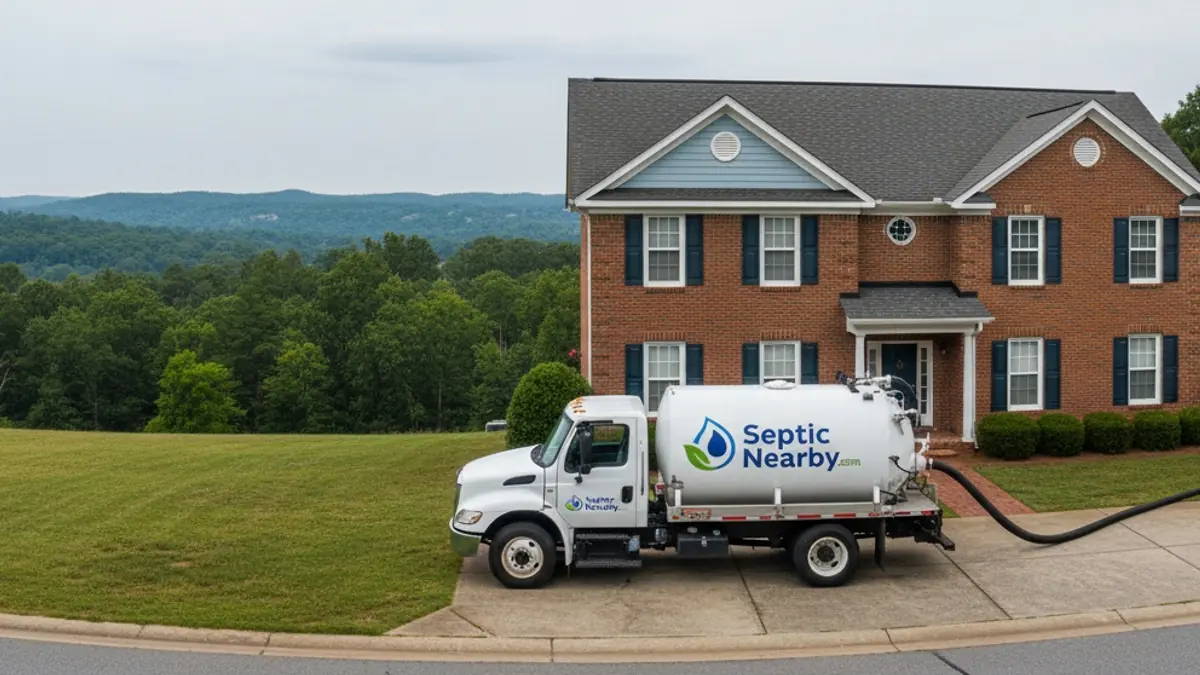 Photo Illustrative
Operators available 7 AM - 9 PM
Licensed & Insured • No Obligation • Emergency Service Available
Online request
Prefer not to call? Send the details and we will review the request before looking for available septic providers near your ZIP code.
Planning range for Georgia homeowners. Actual quotes vary by provider, route distance, tank size, lid access, disposal fees, and urgency. Ask whether the quote includes disposal, both compartments when present, and any digging.
Homeowners in Calhoun often search for septic pumping, emergency pump-out, tank cleaning, septic repair, and inspection help. The right provider depends on whether this is routine maintenance, a backup, a full tank, or a problem that needs diagnosis before pumping.
Schedule a septic tank pump-out in Calhoun when the tank is full, slow drains are appearing, or routine maintenance is due.
If sewage is backing up or wastewater is surfacing, request urgent septic help and tell the provider whether the issue is inside the home or near the tank/drain field.
Ask whether the quoted price includes pumping, disposal, basic tank access, and whether digging or locating the lid costs extra.
If you are not sure pumping is the right fix, ask for an inspection or diagnostic visit before approving repair work.
Our local teams provide septic tank pumping and maintenance services throughout the Calhoun area, including the following ZIP codes:
Managing a septic system in Calhoun, GA, isn't just about calling for a pump-out. It's a logistics operation on your own property. From older homes with buried tanks in the 30701 ZIP code to newer construction out towards the 30703 area, the challenges are consistent: tough soil, tight access, and weather that doesn't cooperate.
That red Georgia clay loam we have here in Gordon County isn't forgiving. It holds water, gets slick, and makes both excavation and compaction a precise science. Misjudge the soil conditions, and you risk a compromised drain field or a pumper truck sinking into your lawn. Our humid subtropical climate brings heavy downpours that can saturate the ground for days, turning a straightforward project into a waiting game. This is why a project plan—even for a simple pump—is critical.
Before a truck even rolls up, the site needs to be prepped. The first order of business is positive identification of all tank lids and cleanouts. If you don't know where they are, a professional can locate them, but that adds time and cost. Next is clearance. We need a solid, wide path from the road to the tank—at least 10-12 feet wide with no low-hanging branches. The truck needs a stable staging area where it won't crack your driveway or compact critical root zones of mature trees. Most importantly, a call to Georgia 811 is required for any digging to mark underground utilities. Hitting a water or gas line is a costly, dangerous mistake.
A standard pumper truck weighs over 30,000 pounds when empty. It's a heavy piece of equipment that demands respect for your property. The operator's primary constraint is hose length, which typically maxes out around 150-200 feet. If your tank is in the backyard of a deep lot, access becomes the main planning challenge. We have to account for the truck's turning radius and ensure it can get in and out without incident. Experienced local crews, like those at Bagley Tank Inc or P & P Septic Tank Services, are used to navigating these constraints and can assess the site logistics properly.
An open septic tank is an active hazard. This is a non-negotiable safety-first situation. The work area must be secured to keep children and pets away. An open riser is a fall hazard, and the gases inside the tank (like hydrogen sulfide) can be lethal. Any excavation for repairs requires sloping or shoring to comply with OSHA standards and prevent collapse. The ground around an excavation site is unstable. A proper safety zone, clearly marked, is the sign of a professional operation. We don't take shortcuts on safety.
The project timeline is dictated by three things: access, weather, and discoveries. A simple pump-out on a dry day with clear access might take an hour. If lids have to be dug up, it adds time. If heavy rain is in the forecast, we may need to reschedule; operating heavy equipment on saturated clay damages your yard and risks getting the truck stuck. The biggest variable is what we find. A routine pumping might reveal a cracked baffle, a failing lid, or signs of drain field saturation. That discovery turns a service call into a repair project, which then involves permits from the Gordon Board of Health and a whole new scope of work. A solid plan accounts for these potential contingencies.
Homeowner guides
Planning service? Buying a Georgia home with septic? Start with this inspection checklist, Check signs your septic tank may be full, what to do if septic backs up, how heavy rain affects septic systems, compare Georgia septic pumping cost factors, review septic tank pumping schedules, or run the full septic maintenance checklist.
The general guideline is every 3 to 5 years. However, factors here in Gordon County can change that. A larger household on a smaller tank might need pumping every 2 years. The dense clay loam soil common in our area can also affect drain field efficiency, sometimes making more frequent pumping a wise preventative measure.
The primary factors are the size of your tank (e.g., 1000 vs 1500 gallons) and how difficult it is to access. If the technician has to manually dig to uncover the lids, that will add to the cost. Travel distance to your property and the disposal facility also play a role. Emergency or after-hours service will command a premium.
For a routine pump-out, no permit is necessary. However, for any repair that involves replacing pipes, the tank, or the drain field, you absolutely need a permit from the Gordon Board of Health Environmental Health section. This ensures the work meets state and local codes.
Yes, and it frequently does. Heavy equipment on saturated clay soil can cause significant damage to your lawn and driveway and creates a risk of the truck getting stuck. It can also make it unsafe to work around the tank. We monitor conditions and will reschedule to protect your property and ensure safety.
Ensure the driveway and path to the tank are clear of vehicles, equipment, and other obstructions. Unlock any gates. If you know where your tank lids are, clearing grass or mulch off them is helpful but not required. For safety, please secure all pets indoors before the crew arrives.