
Septic tank pumping in Fleming
Schedule a septic tank pump-out in Fleming when the tank is full, slow drains are appearing, or routine maintenance is due.
By SepticNearby Editorial Team · Updated 2025-10-26
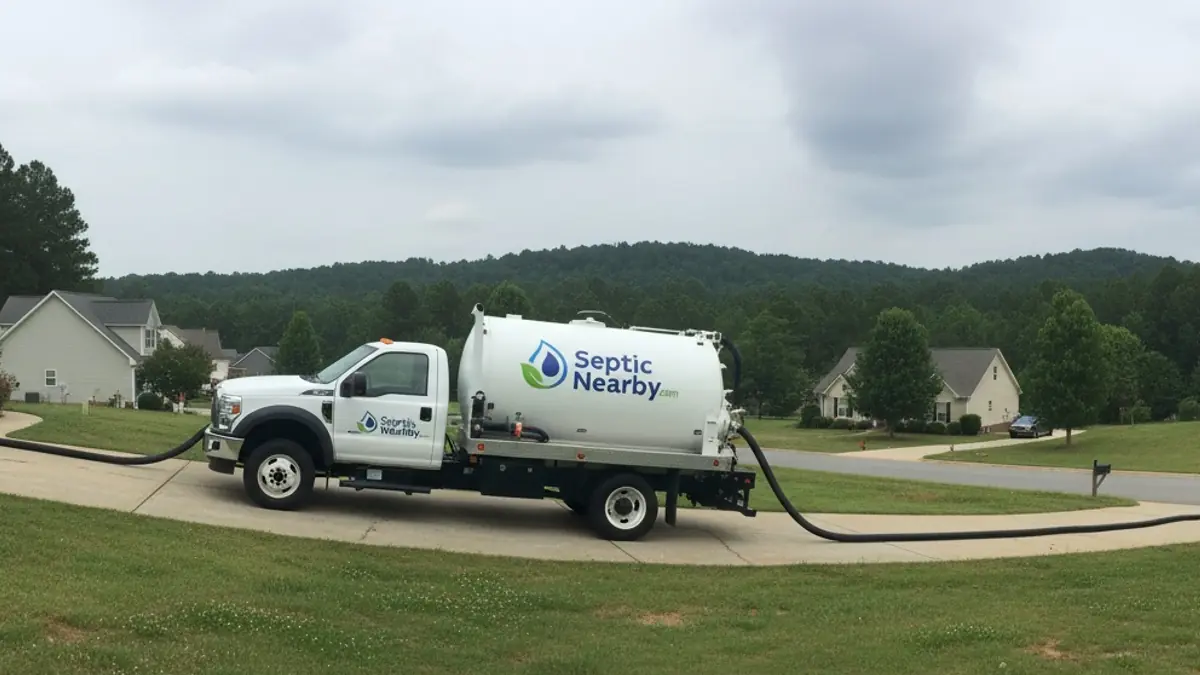 Photo Illustrative
Operators available 7 AM - 9 PM
Licensed & Insured • No Obligation • Emergency Service Available
Online request
Prefer not to call? Send the details and we will review the request before looking for available septic providers near your ZIP code.
Planning range for Georgia homeowners. Actual quotes vary by provider, route distance, tank size, lid access, disposal fees, and urgency. Ask whether the quote includes disposal, both compartments when present, and any digging.
Homeowners in Fleming often search for septic pumping, emergency pump-out, tank cleaning, septic repair, and inspection help. The right provider depends on whether this is routine maintenance, a backup, a full tank, or a problem that needs diagnosis before pumping.
Schedule a septic tank pump-out in Fleming when the tank is full, slow drains are appearing, or routine maintenance is due.
If sewage is backing up or wastewater is surfacing, request urgent septic help and tell the provider whether the issue is inside the home or near the tank/drain field.
Ask whether the quoted price includes pumping, disposal, basic tank access, and whether digging or locating the lid costs extra.
If you are not sure pumping is the right fix, ask for an inspection or diagnostic visit before approving repair work.
Our local teams provide septic tank pumping and maintenance services throughout the Fleming area, including the following ZIP codes:
Living in Fleming, GA, means embracing the unique beauty and ecological sensitivity of the Liberty County coastal plain. Our proximity to vital estuaries and tidal creeks demands a higher level of environmental stewardship, starting right on our own properties. For homeowners in communities from Lake George to the neighborhoods off Freedman Grove Road, a properly functioning septic system is not just a utility—it is a critical component of our collective effort to protect local water quality and preserve the delicate balance of our wetlands.
The effectiveness of any On-Site Sewage Management System (OSSMS) is fundamentally tied to our local geology and climate. The soils here, often a mix of sandy loam and heavier clay loam, present specific challenges for wastewater treatment. While sandy soils can allow for excellent drainage, they can also permit effluent to travel too quickly, potentially carrying contaminants toward the groundwater before they are fully treated. Conversely, less permeable clay soils can lead to system saturation and surface failures, especially during periods of heavy rainfall characteristic of our humid subtropical climate.
An initial environmental assessment is the cornerstone of responsible septic management. This goes beyond a simple inspection. It involves a comprehensive impact study of your system's relationship with its immediate environment, considering factors like soil percolation rates, the slope of your property, and its proximity to sensitive areas. Establishing a proper buffer zone between your drain field and any nearby ditches, streams, or marshland is not just a best practice; it is essential for mitigation of potential nutrient loading into our local waterways. Contaminants like nitrogen and phosphorus can trigger algal blooms that starve aquatic life of oxygen, a significant threat we must actively manage.
For residents in the 31309 ZIP code, understanding your system's design and limitations is paramount. Many properties feature conventional systems that rely entirely on the native soil for final treatment. Others, particularly on smaller lots or in areas with high water tables, may have advanced treatment units. Each type requires a specific maintenance protocol. Regular pumping and inspection by a certified professional are non-negotiable. Companies like J&J Septic Waste Services LLC provide the necessary expertise to not only service your tank but also to assess the health of your entire system, from the tank baffles to the condition of the drain field.
Seasonal preparedness is key. The summer and fall bring intense rain events that can saturate your drain field, slowing or even halting its ability to absorb water. During these wet periods, it's crucial to reduce water usage—spread out laundry loads, take shorter showers, and avoid draining pools or hot tubs. Proactive maintenance before the rainy season can prevent catastrophic failures that are both costly to repair and damaging to the environment. A well-maintained septic system is a silent guardian of Fleming’s natural heritage.
Homeowner guides
Planning service? Buying a Georgia home with septic? Start with this inspection checklist, Check signs your septic tank may be full, what to do if septic backs up, how heavy rain affects septic systems, compare Georgia septic pumping cost factors, review septic tank pumping schedules, or run the full septic maintenance checklist — and if a quote confuses pumping versus cleaning.
The general recommendation is every 3 to 5 years, but local factors in Fleming can alter this schedule. A smaller tank, larger household, or heavy use of a garbage disposal will require more frequent pumping. Our sandy loam soils can sometimes mask a full tank by draining liquid quickly, making it crucial to stick to a schedule rather than waiting for signs of a problem.
The primary factors are tank size (gallons), the depth of the tank lids, and accessibility. If extensive digging is required to uncover the lids, the cost will increase. Travel distance to your property from the service provider's base and the urgency of the call (emergency vs. scheduled) also play a role. Costs are typically quoted based on these variables.
For routine pumping and inspection, no permit is necessary. However, for any repairs to the tank or drain field, or for a full system replacement or new installation, you absolutely must obtain a permit from the Liberty Board of Health. This process ensures the work is done to code by a licensed contractor.
Yes, and for good reason. During our humid subtropical rainy seasons, the ground can become heavily saturated. Driving a heavy pumping truck across a wet lawn can damage your landscaping and, more importantly, can compact the soil over your drain field, permanently reducing its effectiveness. Most providers will reschedule to avoid causing such damage.
To ensure an efficient service, clear the path to the septic tank. Move any vehicles, trailers, or equipment from the driveway. Unlock gates. If you know where your tank lids are, clearing grass or mulch off them is helpful. Finally, for their safety and the driver's, please ensure all pets are securely contained indoors or in a separate, fenced-off area.