
Septic tank pumping in Lakemont
Schedule a septic tank pump-out in Lakemont when the tank is full, slow drains are appearing, or routine maintenance is due.
By SepticNearby Editorial Team · Updated 2025-09-29
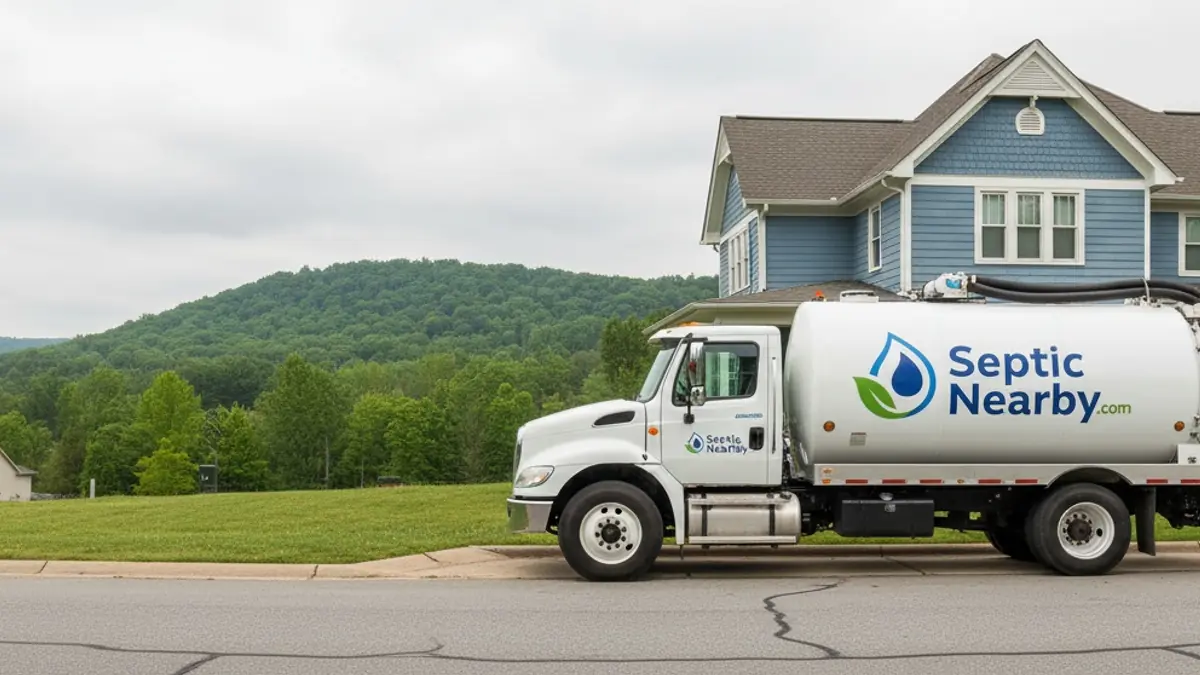 Photo Illustrative
Operators available 7 AM - 9 PM
Licensed & Insured • No Obligation • Emergency Service Available
Online request
Prefer not to call? Send the details and we will review the request before looking for available septic providers near your ZIP code.
Planning range for Georgia homeowners. Actual quotes vary by provider, route distance, tank size, lid access, disposal fees, and urgency. Ask whether the quote includes disposal, both compartments when present, and any digging.
Homeowners in Lakemont often search for septic pumping, emergency pump-out, tank cleaning, septic repair, and inspection help. The right provider depends on whether this is routine maintenance, a backup, a full tank, or a problem that needs diagnosis before pumping.
Schedule a septic tank pump-out in Lakemont when the tank is full, slow drains are appearing, or routine maintenance is due.
If sewage is backing up or wastewater is surfacing, request urgent septic help and tell the provider whether the issue is inside the home or near the tank/drain field.
Ask whether the quoted price includes pumping, disposal, basic tank access, and whether digging or locating the lid costs extra.
If you are not sure pumping is the right fix, ask for an inspection or diagnostic visit before approving repair work.
Our local teams provide septic tank pumping and maintenance services throughout the Lakemont area, including the following ZIP codes:
In Lakemont, Georgia, managing onsite wastewater is a fundamental aspect of property ownership. Unlike urban areas with centralized sewer systems, our homes rely on individual septic systems—a personal piece of infrastructure that demands careful planning and regular maintenance. From historic lakeside cottages to newer construction in the surrounding hills, the effectiveness of these systems is directly tied to our unique regional geography.
The rolling terrain and proximity to Lake Rabun present specific engineering challenges. Many properties within the 30552 ZIP code contend with significant slopes, shallow bedrock, and soils from the Cecil and Madison series. These are primarily clay loams, which have a slow percolation rate (or 'perc rate'). This characteristic dictates the size and type of drainfield required. A conventional gravity-fed system may not be feasible on a steep lot or where soil depth is limited. In these cases, alternative systems like low-pressure dosing, mounded beds, or aerobic treatment units (ATUs) are often specified to ensure proper effluent treatment before it enters the water table.
Every system installed or repaired in our community must meet the standards set by the Rabun Board of Health. The design process begins with a soil analysis and site evaluation to determine the appropriate system for the property's constraints. Key engineering metrics guide this process:
The distribution box, or 'D-box', is a small but critical component that splits effluent flow evenly among the drainfield lines. If it settles and becomes unlevel—a common issue on shifting ground—it can overload one portion of the field, leading to localized failure while other lines remain dry. Regular inspections can catch this before it becomes a costly problem.
Many older homes in Lakemont were built with systems that predate modern standards. A home renovation or addition often triggers the need for a septic system upgrade to handle the increased design flow. This process requires a new permit and a design that conforms to current code. Working with a state-certified installer, such as Parker Environmental Services LLC or Veteran Septic, is essential to navigate the permitting and installation process correctly.
Our humid subtropical climate, characterized by heavy precipitation events, places additional stress on these systems. Surface and storm water must be diverted away from the tank and drainfield to prevent hydraulic overload. A saturated drainfield cannot accept and treat wastewater effectively. For a comprehensive overview of system care, the EPA provides an excellent resource for homeowners at https://www.epa.gov/septic/homeowners-guide-septic-systems. Proper stewardship of your septic system is not just about avoiding backups; it's about protecting our groundwater and the pristine environment of Rabun County.
Homeowner guides
Planning service? Buying a Georgia home with septic? Start with this inspection checklist, Check signs your septic tank may be full, what to do if septic backs up, how heavy rain affects septic systems, compare Georgia septic pumping cost factors, review septic tank pumping schedules, or run the full septic maintenance checklist — and if a quote confuses pumping versus cleaning.
The general guideline is every 3 to 5 years, but local factors are critical. A four-bedroom house with five residents and a 1,250-gallon tank in our region's clay loam soils will likely need pumping closer to the 3-year mark. A retired couple in the same house might go 5 years or more. Regular inspection is the only way to know for sure.
The primary factors are tank size (gallons), lid accessibility, and travel distance. If your tank lids are buried and require significant digging to access, labor costs will increase. Pumping a 1,500-gallon tank will cost more than a 1,000-gallon tank. Emergency or after-hours service calls also carry a premium.
For routine pumping, no permit is required. However, for any repair, alteration, or full system replacement—including replacing a collapsed drainfield line or the tank itself—a permit must be obtained from the Rabun Board of Health prior to beginning work.
Yes, and it's a necessary precaution. The pumper trucks are extremely heavy. Driving one across a lawn saturated by heavy rain can cause deep ruts, damage landscaping, and—most importantly—compact the soil over your drainfield, which can permanently reduce its effectiveness. Technicians will reschedule to avoid property damage and ensure site safety.
To ensure an efficient service call, please clear a path to the tank area wide enough for a large truck. Unlock any gates. If you know where your tank lids are, clearing grass or mulch off them is helpful. For everyone's safety, please secure any pets indoors or in a fenced area away from the work zone.