
Septic tank pumping in Perry
Schedule a septic tank pump-out in Perry when the tank is full, slow drains are appearing, or routine maintenance is due.
By SepticNearby Editorial Team · Updated 2025-09-29
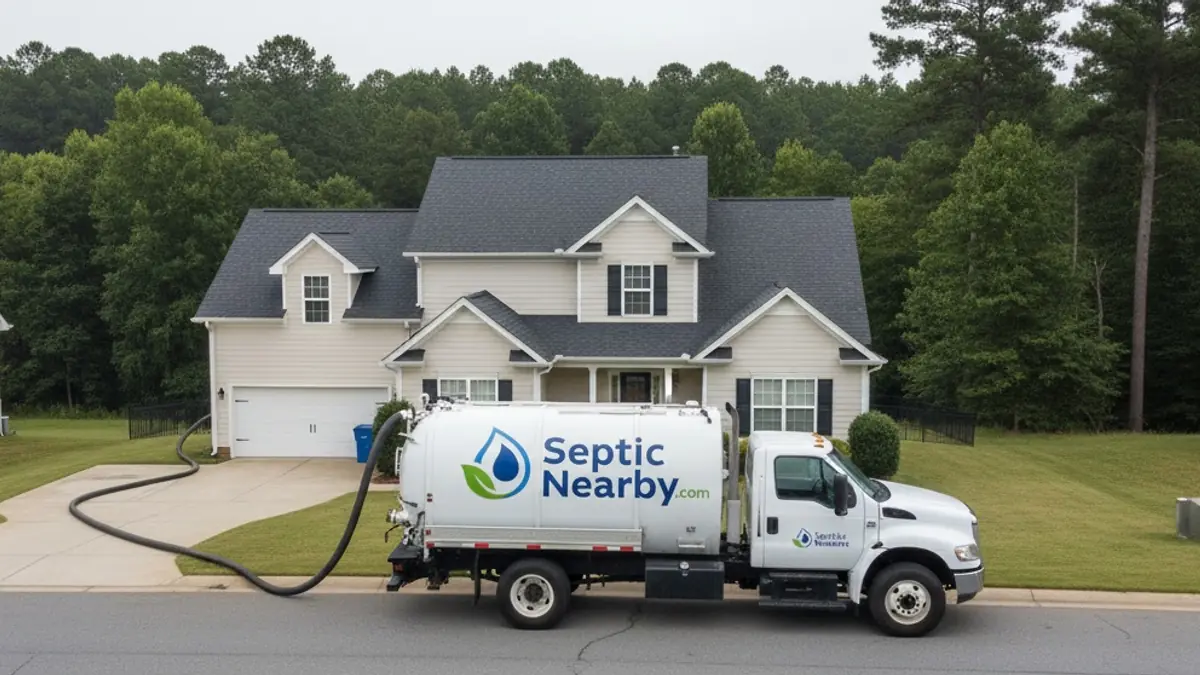 Photo Illustrative
Operators available 7 AM - 9 PM
Licensed & Insured • No Obligation • Emergency Service Available
Online request
Prefer not to call? Send the details and we will review the request before looking for available septic providers near your ZIP code.
Planning range for Georgia homeowners. Actual quotes vary by provider, route distance, tank size, lid access, disposal fees, and urgency. Ask whether the quote includes disposal, both compartments when present, and any digging.
Homeowners in Perry often search for septic pumping, emergency pump-out, tank cleaning, septic repair, and inspection help. The right provider depends on whether this is routine maintenance, a backup, a full tank, or a problem that needs diagnosis before pumping.
Schedule a septic tank pump-out in Perry when the tank is full, slow drains are appearing, or routine maintenance is due.
If sewage is backing up or wastewater is surfacing, request urgent septic help and tell the provider whether the issue is inside the home or near the tank/drain field.
Ask whether the quoted price includes pumping, disposal, basic tank access, and whether digging or locating the lid costs extra.
If you are not sure pumping is the right fix, ask for an inspection or diagnostic visit before approving repair work.
Our local teams provide septic tank pumping and maintenance services throughout the Perry area, including the following ZIP codes:
Working septic systems in Perry, Georgia means understanding the ground beneath our feet. From the established neighborhoods inside the 31069 ZIP code to the newer construction sprawling out into Houston County, the challenges are all about soil, water, and access. Our humid subtropical climate gives us heavy spring rains and long, dry summers, and that cycle dictates how we approach any job, from a simple pump-out to a full drain field replacement.
The dominant soil here is a mix of sandy and clay loams. That classic Georgia red clay can be a real bear. When it's dry, it’s hard as a rock, requiring more power and sometimes a larger bucket size to break through. When it's wet, it gets slick, heavy, and unstable. A sudden downpour can turn a clean excavation into a muddy pit, threatening trench wall collapse and making it impossible to get machinery in or out without tearing up a lawn. This is why scheduling around major weather events is more than a convenience—it's a critical safety measure.
The age of a property often dictates the machine for the job. In the older parts of Perry, with smaller lots, established landscaping, and tight access between houses, a mini-excavator is the only way to go. Its light footprint minimizes turf damage, and it can navigate fences and outbuildings. For larger properties out in the county, a full-size backhoe-loader gives us the reach and power needed for deeper tank sets and extensive drain field lines. Access is key. We have to plan for where the spoils (the excavated dirt) will be piled so they don't block access or wash into the street during a storm.
Safety isn't just a buzzword; it's about procedure. Before any digging starts, we're on the phone getting utilities marked. Hitting a buried power or water line is a bad day for everyone. For any excavation deeper than four feet, especially for a tank replacement, a trench box is non-negotiable. Our clay-heavy soils can look stable, but they can give way without warning. We're not just digging a hole; we're managing a potentially hazardous environment. The Houston Board of Health has specific setback requirements from wells and property lines, and we build our entire plan around meeting or exceeding those codes.
A job isn't done when the new tank is in the ground. Proper backfilling is crucial for the long-term health of the system. We return the soil in layers, or 'lifts,' compacting each one to prevent settling around the tank. A poorly compacted backfill can lead to broken pipes and system failure down the road. In some cases, a soil compaction test is required to prove the ground is stable enough to support structures or pavement above. Once the system is covered and compacted, we perform a rough grade, shaping the land to ensure positive drainage away from the drain field and the house. The final landscaping is up to the homeowner, but our work provides the stable, correctly sloped foundation they need. Whether you're working with us or another local outfit like Sergeant Rooter and Septic, make sure your contractor talks about the whole process, from the first scoop of dirt to the final grade.
Homeowner guides
Planning service? Buying a Georgia home with septic? Start with this inspection checklist, Check signs your septic tank may be full, what to do if septic backs up, how heavy rain affects septic systems, compare Georgia septic pumping cost factors, review septic tank pumping schedules, or run the full septic maintenance checklist — and if a quote confuses pumping versus cleaning.
The general rule is every 3 to 5 years, but local factors matter. A large family in a three-bedroom house will need pumping more often than a retired couple. Our clay-heavy soils can also slow drainage in the leach field, putting more stress on the tank. If you have a garbage disposal, you should pump more frequently.
The main factors are tank size (gallons), how deep the access lids are buried, and your location. If we have to dig extensively to find and uncover the lids, that adds labor time. Drive time to rural parts of Houston County can also add a travel charge. Emergency or after-hours service will cost more than a scheduled appointment.
For routine pumping, no permit is needed. However, for any repairs, modifications, or a full system replacement, you absolutely need a permit from the Houston Board of Health. They ensure the work meets all public health and environmental codes.
Yes, absolutely. Our humid subtropical climate means we get intense downpours that can saturate the ground. Driving a heavy truck over a soggy lawn or drain field can cause severe damage and soil compaction. If the area around the tank is flooded, it can also be unsafe to work. We monitor the weather and will reschedule if conditions are unsafe for your property or our crew.
Please ensure a clear path for the truck to the septic tank area—our hoses are long, but the truck is heavy. Unlock any gates. If you know where your tank lids are, that's a great help. And for everyone's safety, please make sure pets and children are secured indoors while we work.