
Septic tank pumping in Rutledge
Schedule a septic tank pump-out in Rutledge when the tank is full, slow drains are appearing, or routine maintenance is due.
By SepticNearby Editorial Team · Updated 2025-09-29
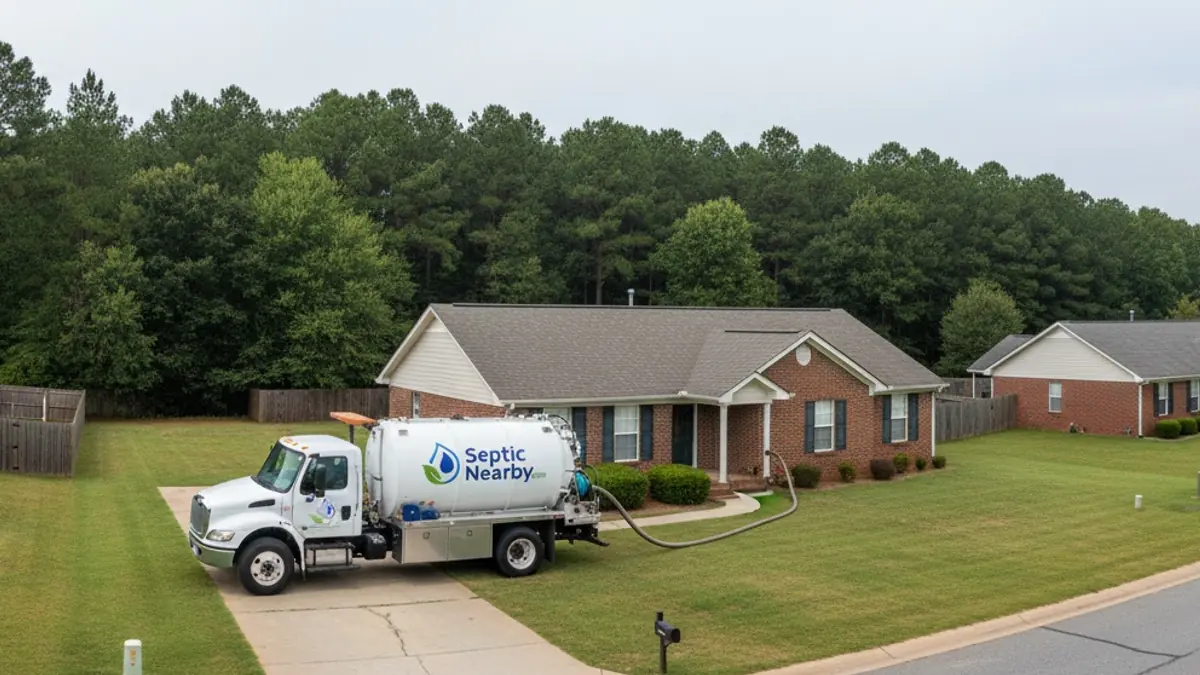 Photo Illustrative
Operators available 7 AM - 9 PM
Licensed & Insured • No Obligation • Emergency Service Available
Online request
Prefer not to call? Send the details and we will review the request before looking for available septic providers near your ZIP code.
Planning range for Georgia homeowners. Actual quotes vary by provider, route distance, tank size, lid access, disposal fees, and urgency. Ask whether the quote includes disposal, both compartments when present, and any digging.
Homeowners in Rutledge often search for septic pumping, emergency pump-out, tank cleaning, septic repair, and inspection help. The right provider depends on whether this is routine maintenance, a backup, a full tank, or a problem that needs diagnosis before pumping.
Schedule a septic tank pump-out in Rutledge when the tank is full, slow drains are appearing, or routine maintenance is due.
If sewage is backing up or wastewater is surfacing, request urgent septic help and tell the provider whether the issue is inside the home or near the tank/drain field.
Ask whether the quoted price includes pumping, disposal, basic tank access, and whether digging or locating the lid costs extra.
If you are not sure pumping is the right fix, ask for an inspection or diagnostic visit before approving repair work.
Our local teams provide septic tank pumping and maintenance services throughout the Rutledge area, including the following ZIP codes:
Septic systems in Rutledge, GA, are a part of life. Whether you're in a historic home near the town square or on a few acres out in Morgan County, your system works hard behind the scenes. Understanding how it works with our local conditions is the key to avoiding problems.
Our ground here is the defining factor. We're dealing with Georgia's famous red clay, mostly clay loam soils. This soil doesn't drain quickly. During our humid subtropical summers, a heavy thunderstorm can saturate the ground, leaving nowhere for your wastewater to go. This puts immense pressure on your leach field. A system that's borderline on a dry day can easily back up after a week of rain. This is why proper installation and regular maintenance aren't just suggestions—they're requirements.
Many properties in the 30663 ZIP code have challenges with access. Long, winding driveways, mature landscaping, and old systems installed before modern setbacks were common. Getting a heavy pump truck near your tank is critical. If we have to run hundreds of feet of hose, it takes more time. Before you build a deck or a new patio, know exactly where your tank lid and leach field are. Paving over your system is a recipe for a very expensive problem down the road.
A proper pump-out isn't just a vacuum job. It's a health check for your whole system. When we open the tank lid, we're looking at the scum and sludge layers to see if they're at normal levels. We check the inlet and outlet baffles to make sure they're intact. A broken baffle can send solids directly to your leach field, clogging it permanently. A good operator will also inspect the condition of the tank itself—concrete, plastic, or fiberglass—and check the liquid level to spot potential drainfield issues.
Many of the calls we get are for preventable problems. People see trucks from established outfits like Ronnie's Septic Tank Service or Affordable Septic Service because experience in this specific area matters. We know the soil, we know the common system types, and we know what the Morgan Board of Health expects. Any major repair or replacement requires their approval and a permit. This process protects you and your property value.
Routine maintenance is always cheaper than an emergency call. A backed-up toilet on a holiday weekend is a mess nobody wants. Regular pumping, careful water usage, and protecting your leach field are the three pillars of a healthy septic system in Rutledge. It’s a simple machine that will serve you well if you take care of it.
Homeowner guides
Planning service? Buying a Georgia home with septic? Start with this inspection checklist, Check signs your septic tank may be full, what to do if septic backs up, how heavy rain affects septic systems, compare Georgia septic pumping cost factors, review septic tank pumping schedules, or run the full septic maintenance checklist — and if a quote confuses pumping versus cleaning.
The standard is every 3 to 5 years. For a family of four in a 1,000-gallon tank, 3 years is a safe bet. For two people in a 1,250-gallon tank, you might get 5 years. Our heavy clay soils don't absorb water quickly, so an overfull tank can cause backups faster here than in areas with sandy soil.
The main factors are tank size (most are 1000 or 1250 gallons), how deep we have to dig to uncover the lids, and accessibility. If the pump truck can't get close, we need to run extra hose, which can add to the cost. Emergency or after-hours service is also more expensive.
For a routine pump-out, no permit is required. For any repair, alteration, or new system installation, you absolutely need a permit from the Morgan Board of Health. This is non-negotiable and ensures the work is done to code.
Yes, and it's often for your own protection. A heavy pump truck can sink into a waterlogged lawn, creating deep ruts and potentially damaging your leach field lines. It's usually better to wait for the ground to dry out for a day or two.
Ensure a clear path for the truck. Move any vehicles, trailers, or equipment blocking the driveway or access to the tank area. If you know where your tank lids are, that's a huge help. For safety, please secure any pets before we arrive.