
Septic tank pumping in Sparks
Schedule a septic tank pump-out in Sparks when the tank is full, slow drains are appearing, or routine maintenance is due.
By SepticNearby Editorial Team · Updated 2025-10-27
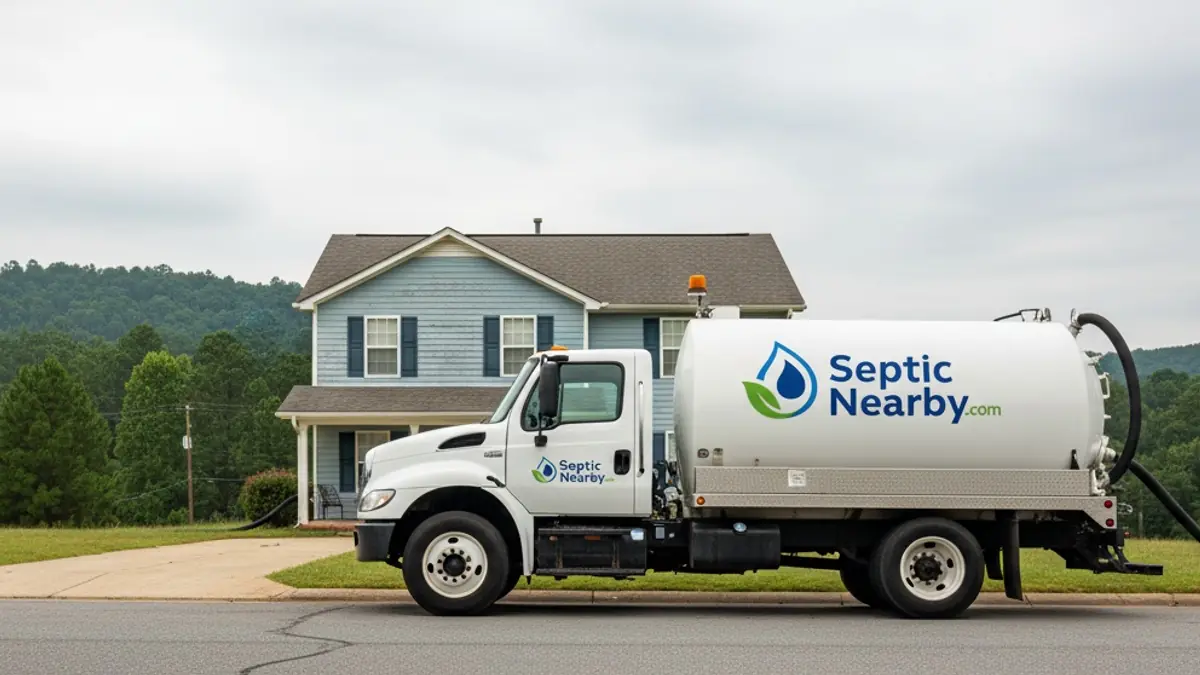 Photo Illustrative
Operators available 7 AM - 9 PM
Licensed & Insured • No Obligation • Emergency Service Available
Online request
Prefer not to call? Send the details and we will review the request before looking for available septic providers near your ZIP code.
Planning range for Georgia homeowners. Actual quotes vary by provider, route distance, tank size, lid access, disposal fees, and urgency. Ask whether the quote includes disposal, both compartments when present, and any digging.
Homeowners in Sparks often search for septic pumping, emergency pump-out, tank cleaning, septic repair, and inspection help. The right provider depends on whether this is routine maintenance, a backup, a full tank, or a problem that needs diagnosis before pumping.
Schedule a septic tank pump-out in Sparks when the tank is full, slow drains are appearing, or routine maintenance is due.
If sewage is backing up or wastewater is surfacing, request urgent septic help and tell the provider whether the issue is inside the home or near the tank/drain field.
Ask whether the quoted price includes pumping, disposal, basic tank access, and whether digging or locating the lid costs extra.
If you are not sure pumping is the right fix, ask for an inspection or diagnostic visit before approving repair work.
Our local teams provide septic tank pumping and maintenance services throughout the Sparks area, including the following ZIP codes:
Living out here in Sparks, Georgia, means enjoying a bit more elbow room and the quiet that comes with it. Whether you're on a family plot that's been around for generations or in a newer home just outside the city limits in the 31647 ZIP, chances are you're not connected to a city sewer line. You're living the septic life. And that means your wastewater system is your own responsibility—a crucial piece of your property that needs regular, smart attention.
Unlike city plumbing, a septic system is a living ecosystem right in your backyard. It's not just a tank; it's a carefully balanced process that relies on good bacteria and healthy soil to work right. Here in Cook County, our ground tells a story. We've got a mix of soils, from sandy loam that drains quickly to heavier red clay loam that holds onto water. Understanding what's under your grass is the first step to understanding your septic system. That heavy rain we get in the spring and summer? In clay-heavy soil, it can oversaturate your drain field, leading to slow drains or, worse, a backup. A healthy system is designed to handle it, but a neglected one will show its problems when the ground gets soggy.
One of the first things a septic technician has to figure out is simple: can they get their truck to your tank? On rural properties, that's not always a given. You might be at the end of a long gravel road or share a narrow drive with a neighbor. The pumper truck is heavy, and sinking it in a soft shoulder after a downpour is a real headache for everyone. Before you even schedule a pumping, take a walk from your main road to where you think your tank is. Are there low-hanging oak branches? Is there a tight turn around the shed? Is the gate wide enough? A good local crew from a company like Hall's Septic Tank Service Inc. or Herring Septic Service knows these back roads, but giving them a clear, solid path to the worksite makes the job quicker and safer. If you know where your tank lids are, that's a huge help. If not, they can find them, but clearing away any brush or stored equipment beforehand is a courtesy that saves time and money.
Most of us out here are also on well water. This makes proper septic maintenance not just a matter of convenience, but of family health. Your well and your septic system need to keep a safe distance from each other. The Cook Board of Health has specific regulations on setbacks—the minimum distance required between a septic drain field and a private well—to prevent contamination. A failing septic system can leach harmful bacteria and nitrates into the groundwater, which can then get pulled straight into your well. That's a risk no one should take. Regular inspections and timely pumping are your first line of defense in protecting that clean well water your family depends on every day. It's a simple equation: a healthy septic system helps ensure healthy drinking water.
Our humid subtropical climate brings its own set of rules. The ground rarely freezes hard, but it does get incredibly wet. Scheduling a pump-out is best done during a drier spell. Trying to drive a multi-ton truck across a lawn that's been soaked by a week of thunderstorms is a recipe for deep ruts and a torn-up yard. Worse, pumping a tank when the surrounding drain field is completely saturated can sometimes cause problems, as the water pressure from the soil can stress an empty tank. A seasoned local technician understands this. They watch the weather, know how the local soil behaves, and can advise you on the best time to get the work done. It’s better to schedule ahead and be flexible than to wait for an emergency backup during a flash flood. Proactive maintenance, timed with our seasons, is the key to a long, trouble-free life for your system.
Homeowner guides
Planning service? Buying a Georgia home with septic? Start with this inspection checklist, Check signs your septic tank may be full, what to do if septic backs up, how heavy rain affects septic systems, compare Georgia septic pumping cost factors, review septic tank pumping schedules, or run the full septic maintenance checklist.
For a typical household in the Sparks area, the standard advice is every 3 to 5 years. However, this can change. A large family of 6 in a 3-bedroom house will need pumping much closer to the 3-year mark than a couple in the same house. The size of your tank (often 1000, 1250, or 1500 gallons) and the type of soil in your leach field also play a role. It's best to have it inspected and get a professional recommendation.
The main factors are the size of your tank (gallons), how deep the lids are buried (more digging means more labor), and ease of access for the truck. Travel distance from the company's base to your property in Sparks or greater Cook County is also a factor. If the technician has to spend significant time locating the tank, that can add to the cost. Expect a range, but be wary of any quote given without knowing these details.
For routine pumping, no permit is required. However, if you need to perform major repairs, replace the tank, or alter the drain field, you absolutely need a permit. All new installations and significant repairs must be permitted and inspected through the Cook Board of Health to ensure they meet local and state environmental codes.
Yes, and it frequently does. Our heavy subtropical rains can saturate the ground, making it too soft for a heavy pumper truck to drive on without getting stuck or tearing up your yard. It can also make locating and digging up the tank lids a muddy, difficult job. Most reputable companies will proactively reschedule if the weather is bad to protect your property and their equipment.
Make their job easier. Clear a wide path to the septic tank area—move any vehicles, trailers, or equipment. Unlock any gates they'll need to pass through. If you know where your tank lids are, you can mark them with a flag or even clear the grass off them. Finally, make sure kids and pets are secured indoors or in a safe area away from the work zone and the heavy equipment.