
Septic tank pumping in Tucker
Schedule a septic tank pump-out in Tucker when the tank is full, slow drains are appearing, or routine maintenance is due.
By SepticNearby Editorial Team · Updated 2025-09-29
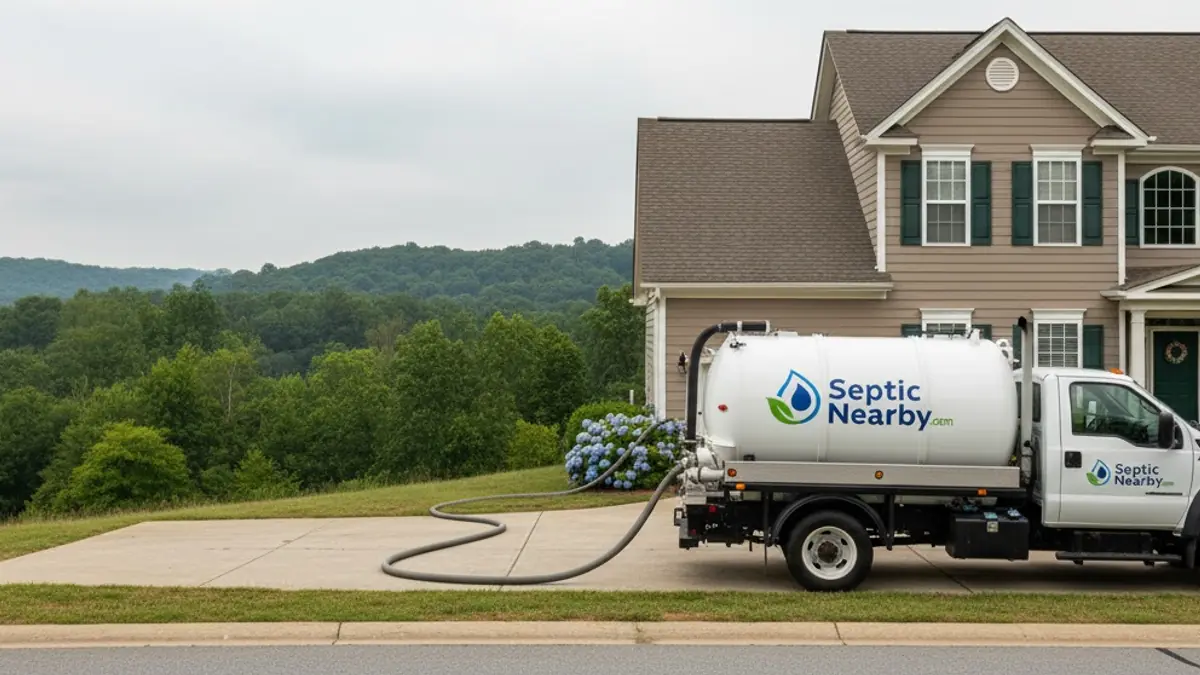 Photo Illustrative
Operators available 7 AM - 9 PM
Licensed & Insured • No Obligation • Emergency Service Available
Online request
Prefer not to call? Send the details and we will review the request before looking for available septic providers near your ZIP code.
Planning range for Georgia homeowners. Actual quotes vary by provider, route distance, tank size, lid access, disposal fees, and urgency. Ask whether the quote includes disposal, both compartments when present, and any digging.
Homeowners in Tucker often search for septic pumping, emergency pump-out, tank cleaning, septic repair, and inspection help. The right provider depends on whether this is routine maintenance, a backup, a full tank, or a problem that needs diagnosis before pumping.
Schedule a septic tank pump-out in Tucker when the tank is full, slow drains are appearing, or routine maintenance is due.
If sewage is backing up or wastewater is surfacing, request urgent septic help and tell the provider whether the issue is inside the home or near the tank/drain field.
Ask whether the quoted price includes pumping, disposal, basic tank access, and whether digging or locating the lid costs extra.
If you are not sure pumping is the right fix, ask for an inspection or diagnostic visit before approving repair work.
Our local teams provide septic tank pumping and maintenance services throughout the Tucker area, including the following ZIP codes:
Proper septic system maintenance is a critical component of public health and environmental protection in Tucker, Georgia. As a community with a blend of housing stock, from mid-century homes in the 30084 ZIP code to newer developments, many properties rely on on-site sewage management systems (OSSMS) rather than municipal sewer connections. The effectiveness of these systems is directly tied to homeowner diligence and compliance with regulations set forth by the DeKalb Board of Health.
The geological and climatic conditions in DeKalb County present specific challenges. Our region's humid subtropical climate delivers significant annual rainfall, which interacts with the prevalent red clay and clay loam soils. These soils have a low percolation rate, meaning they absorb water slowly. During periods of heavy precipitation, a poorly maintained drainfield can become saturated, preventing proper treatment and dispersal of effluent. This can lead to system failure, surfacing of untreated wastewater, and contamination of local groundwater and surface waters, including tributaries of the South Fork Peachtree Creek.
All OSSMS in Tucker are governed by the Georgia Department of Public Health's regulations (Chapter 511-3-1) and enforced locally by the DeKalb Board of Health. These rules exist to prevent public health nuisances and environmental degradation. A properly functioning system consists of two primary parts: the septic tank, which separates solids from liquid waste, and the drainfield (or leach field), where liquid effluent is naturally filtered and treated by the soil.
Key regulatory requirements include strict setback distances. A system's drainfield must be located a minimum distance from any private drinking water wells (typically 100 feet), property lines, and bodies of water. This is a non-negotiable safeguard against groundwater contamination. When a system is installed or repaired, a certified professional must perform a soil analysis to ensure the design is appropriate for the site's specific soil characteristics. Any modification, repair, or new installation requires a formal permit and inspection process through the county health authority to ensure it meets code.
Septic system failure is not merely an inconvenience; it is a public health hazard. The signs of failure include:
Failed systems release bacteria, viruses, and nitrates into the environment. These contaminants can pollute drinking water wells, posing a risk of infectious diseases like dysentery and hepatitis. They also contribute excess nutrients to local streams, harming aquatic ecosystems.
Maintaining compliance is a straightforward process. The single most important step is routine pumping of the septic tank every three to five years by a licensed professional. This removes accumulated solids and sludge that can otherwise clog the drainfield, leading to premature and costly failure. Homeowners should also protect their system by not flushing non-biodegradable items, grease, or harsh chemicals. It is also vital to divert rainwater runoff from the drainfield and avoid driving or parking heavy vehicles over any part of the system. For permitted work, residents often rely on certified contractors, such as Central Septic and Plumbing or Atlanta Wastewater Solutions, to navigate the DeKalb County permitting and inspection process, ensuring all work is up to code.
Homeowner guides
Planning service? Buying a Georgia home with septic? Start with this inspection checklist, Check signs your septic tank may be full, what to do if septic backs up, how heavy rain affects septic systems, compare Georgia septic pumping cost factors, review septic tank pumping schedules, or run the full septic maintenance checklist — and if a quote confuses pumping versus cleaning.
The general recommendation is every 3 to 5 years. However, this frequency can change based on local factors. In Tucker, larger households, frequent use of a garbage disposal, or properties with slow-draining clay loam soils may require pumping more often, such as every 2 to 3 years, to prevent premature drainfield problems.
The primary factors are the tank's size (in gallons) and how difficult it is to access. Costs increase if the technician must manually dig to locate and uncover the tank lids. Travel distance for providers coming from outside the immediate Tucker area and requests for emergency or after-hours service will also raise the price.
For routine pumping and maintenance, a permit is not required. However, for any repair to the system, modification, or a full system replacement, you must obtain a permit from the DeKalb Board of Health before any work begins. This ensures the work meets all current health and environmental codes.
Yes, absolutely. Tucker's humid climate and clay soils mean that after significant rainfall, the ground becomes saturated. Driving a multi-ton pumper truck over a soggy lawn can severely compact the soil over your drainfield, damaging the system. Reputable service providers will proactively reschedule appointments to avoid this risk.
To ensure efficient service, clear a path to the septic tank area. Make sure the driveway is free of vehicles, unlock any gates, and restrain pets. If you know the location of your tank's access lids, clearing grass or mulch from them beforehand can save time and potential digging fees.