
Septic Tank Pumping Services in Georgia: A Planning Guide
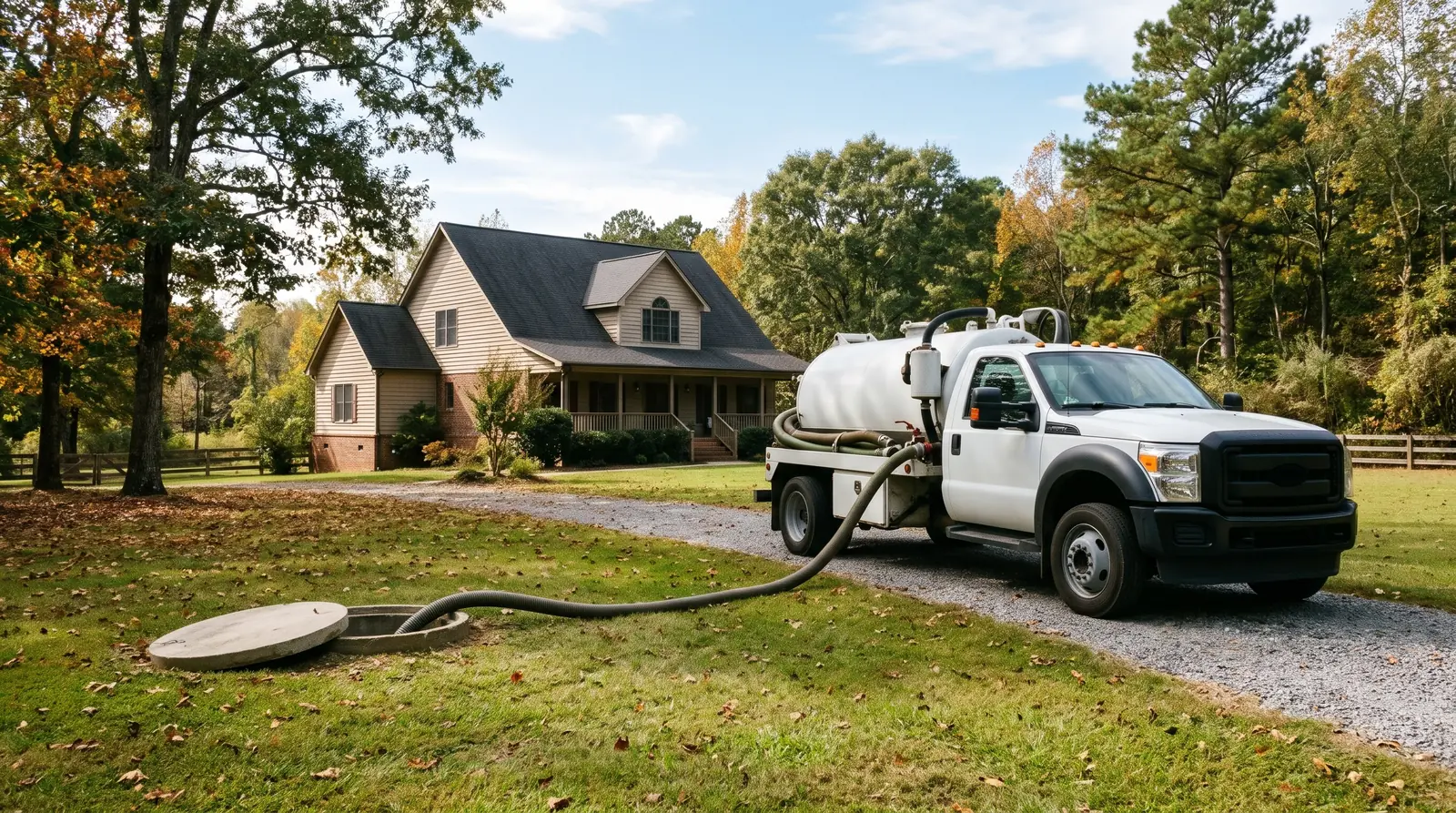
Septic tank pumping services are easiest to manage when you treat them like any other household maintenance: on a schedule, with records on hand, and before a problem forces the decision. Waiting for symptoms squeezes every choice into one stressful phone call, often at an inconvenient time. Planning ahead gives you room to compare providers, pick a date that works for you, and catch small issues while they are still small. It helps to understand what pumping actually does. A conventional septic tank is designed to stay full of liquid during normal operation. Wastewater flows in, solids settle to the bottom as sludge, lighter materials such as grease float to the top as scum, and the clarified liquid in the middle flows on to the drainfield. Pumping removes the sludge and scum before they build up enough to escape the tank and clog the drainfield, which is generally a bigger problem to fix than the tank itself. So a tank that is full of liquid is not, by itself, a sign that it needs pumping. A liquid level that sits above the outlet is different: it can point to a blocked outlet or effluent filter, a failing drainfield, a pump problem, or soil too saturated to accept more water. That is why a good provider measures and inspects the tank rather than simply emptying it. In Georgia, onsite sewage management systems are regulated by the Georgia Department of Public Health, which works through county environmental health offices. For your own property, the county office is usually the most reliable first stop for permit records, any system drawing showing tank location and size, and questions about local requirements. How often a tank needs pumping varies. The U.S. Environmental Protection Agency advises that household systems generally be inspected at least every three years and that household tanks are typically pumped every three to five years. Tank size, the number of people in the home, daily water use, garbage disposal use, and what goes down the drains can each shorten or lengthen that interval. This guide covers how to set a pumping interval for your household, how to sort symptoms into routine, prompt, and urgent categories, what to gather before the truck arrives, what to ask when choosing septic tank pumping services in Georgia, and how to use each visit's records to plan the next one. Storm-related problems and after-hours emergencies have their own guides, linked below. Everything here is general information: site conditions differ, and a qualified professional who can see your tank and drainfield should make the final call.
Need septic help now?
Call SepticNearby and we will connect you with available Georgia septic providers, or enter your ZIP code to see who serves your area.
What a routine pumping visit should accomplish
A routine visit has three jobs: remove accumulated solids, check the tank's condition, and leave you with information for planning. A technician typically uncovers the tank access, assesses the sludge and scum layers, pumps out the contents, and looks at the inlet and outlet baffles, which help keep solids from leaving the tank. If your system has an effluent filter, it may be cleaned at the same time. Systems with a pump chamber or alarm panel may need those components checked separately. Treat the visit as an inspection, not just a removal service. A provider who tells you what they found, such as how thick the sludge layer was or whether a baffle looked damaged, gives you far more to work with than one who drains the tank and leaves.
Setting a pumping interval for your household
Start with the EPA's general guidance: inspection at least every three years, pumping typically every three to five years. Then adjust for your household. More occupants, frequent laundry, a garbage disposal, or regular guests usually mean solids build up faster. A smaller tank fills with solids sooner than a larger one serving the same household. If you don't know your tank's size, your county environmental health office may have it on file, or your provider can estimate it during the first visit. If you have no records at all, scheduling an inspection and pumping now gives you a reference point. After that, your provider's notes on sludge and scum levels at each visit are the best guide for when to come back.
Find septic service near you: enter your Georgia ZIP code.
Sorting symptoms: routine, prompt, or urgent
Matching your response to the symptom keeps you from either panicking or waiting too long. Urgent: sewage backing up into the home, sewage surfacing in the yard, a strong sewage odor indoors, or an alarm sounding on a system with a pump. An alarm can mean wastewater is rising in a pump chamber or a pump has failed, so cut water use right away and contact a professional promptly rather than waiting for a routine appointment. Our page on emergency septic pumping in Georgia covers what to do in these situations. Prompt: slow drains throughout the house, gurgling plumbing, or persistent wet or unusually green patches over the drainfield. Book a service call within days. Routine: no symptoms, but it has been several years since the last pumping or you don't know when it was done. This is the best time to arrange septic tank pumping services, because you control the timing. Symptoms can have more than one cause, so let a professional confirm what is happening on site.
Preparing for the service visit
A little preparation makes the visit faster and more useful. Ask your county environmental health office whether it has a permit or system drawing for your address. Find and mark the tank lids if you can; if they are buried and you can't locate them, say so when you book, because finding and exposing lids takes extra time. Write down how many people live in the home, any recent changes in water use, and the date of the last pumping if you know it. Clear a path for the truck and hose, and keep vehicles off the tank and drainfield. Very wet ground can limit access; our guide on whether heavy rain can cause septic problems explains how saturated soil affects a system, which may also influence when you schedule. Mention any effluent filter, pump chamber, or alarm panel so the technician comes prepared. Keep pets and children away from open tanks, and never enter or lean into a tank, since it can contain harmful gases.
Choosing septic tank pumping services in Georgia
Compare providers on qualifications, transparency, and thoroughness, not only on who can come soonest. Ask which permits, licenses, or certifications the company holds for septic work in Georgia; if you aren't sure what applies, your county environmental health office or the Georgia Department of Public Health can point you in the right direction. Ask what the visit includes: locating and uncovering lids, checking baffles and the outlet, cleaning an effluent filter, and providing a written service record. Ask where the pumped septage goes for disposal, since proper handling helps protect groundwater and nearby wells. Get a written quote that lists what is included and what could cost extra, such as digging to expose lids or repair work. Be cautious about anyone who presents additives as a substitute for pumping; EPA guidance emphasizes regular inspection and pumping instead. A provider who explains findings plainly and recommends an interval based on your actual tank is usually the better long-term choice.
After the visit: records and the next cycle
Each visit should leave you with a record you can plan from. File the date, company name, volume removed if reported, the condition of the baffles and any filter, and any recommendations. Put the suggested return date on a calendar. If the technician mentioned a repair, such as a cracked lid, a missing baffle, or a sluggish pump, ask how soon it should be addressed and get that in writing. Between visits, a few habits reduce strain on the system: fix leaky fixtures and running toilets, spread out laundry loads, keep grease, wipes, and harsh chemicals out of drains, keep deep-rooted plants away from the tank and lines, and direct downspouts away from the drainfield. These steps can't guarantee a system will never fail, but they help keep pumping on a predictable schedule that you set.
Get it handled
Talk to a local provider today, find septic companies by ZIP code, or look up the permit and tank-size records for your property before you call.
Frequently asked questions
How often should a Georgia home schedule septic tank pumping services?
The EPA advises that household septic systems generally be inspected at least every three years and that household tanks are typically pumped every three to five years. Your actual interval depends on tank size, number of occupants, water use, and what goes down the drains, so ask your provider to recommend a schedule based on what they find in your tank.
My septic tank is full of water. Does that mean it needs pumping?
Not necessarily. A conventional septic tank normally stays full of liquid. Pumping is needed when sludge and scum have built up. A liquid level above the outlet, however, can signal a blockage, drainfield trouble, or a pump problem, and a professional should check it.
Who oversees septic systems in Georgia?
Onsite sewage management systems in Georgia are regulated by the Georgia Department of Public Health, working through county environmental health offices. Those offices are the best starting point for permit records, system details for your address, and questions about local requirements.
What should I do if my septic pump alarm goes off?
Reduce water use right away and contact a qualified professional promptly. An alarm can indicate high wastewater levels in a pump chamber or a pump failure, so don't treat it as something that can wait for a routine appointment.
How can I find my septic tank before the pumping service arrives?
Ask your county environmental health office whether it has a permit or system drawing for your property. You can also look for lids or inspection ports and note where the main sewer line leaves the house. If you can't locate the tank, tell the provider when you book.
Do septic additives replace pumping?
No. Additives do not remove the solids that accumulate in the tank, and EPA guidance emphasizes regular inspection and pumping as the standard way to maintain a septic system.